Spoilers ahead for The Mandalorian & Grogu.
The Mandalorian & Grogu contains a line in its final cut that originally appeared to belong to Din Djarin—and its relocation significantly changes its emotional impact.
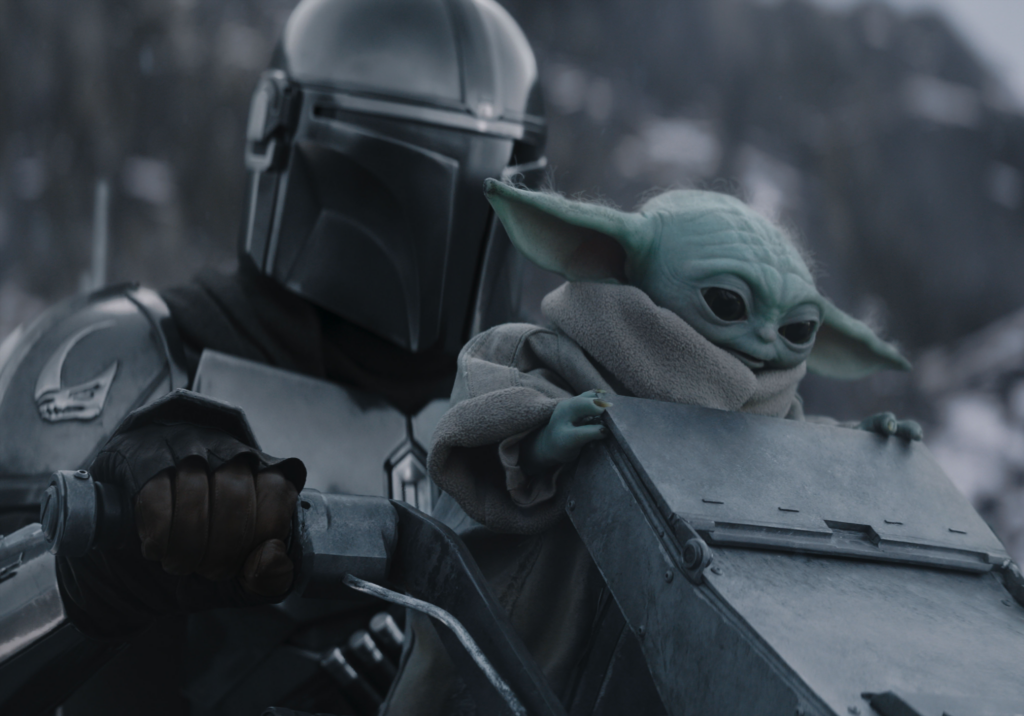
In early promotional material, viewers hear Pedro Pascal’s Din Djarin reflecting on Grogu’s species and the painful reality of their differing lifespans. “The kid will live centuries beyond me. I won’t always be around to protect him,” he says in the trailer. It plays as a quiet, intimate admission of vulnerability: a father figure acknowledging that his time with Grogu is limited, and that loss is inevitable.
However, the finished film reshapes this moment. The sentiment still exists, but it is no longer spoken by Din Djarin. Instead, it is delivered by the film’s antagonist faction, the Hutts. This change transforms the meaning of the line entirely. Rather than a private emotional reflection, it becomes a threat—an observation used to unsettle and intimidate Din rather than reveal his inner thoughts.
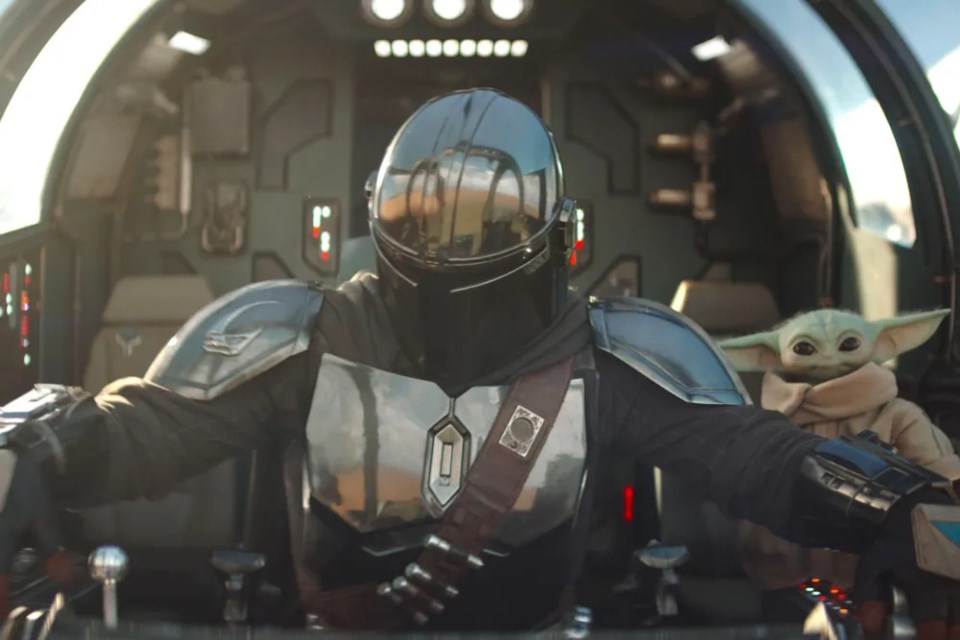
For some viewers, this shift weakens the emotional thread they were expecting from the trailer. What felt like a deeply personal meditation on fatherhood and mortality is reframed as a cold instrument of manipulation. The tone moves from sorrowful introspection to calculated menace.
At the same time, the film’s structure makes the decision more understandable. Din Djarin’s inner life is far less openly explored in the movie than in the series, and he is not given many characters with whom he could naturally share such a vulnerable confession. Without a close confidant or extended emotional scene, placing the monologue in his dialogue might have felt forced.
Because of this, the filmmakers instead embed the idea through the Hutts, ensuring that Grogu’s long lifespan and Din’s inevitable absence are acknowledged within the story, even if indirectly. It becomes less of a character moment and more of a thematic undercurrent delivered through antagonistic pressure.
In the end, the change highlights the gap between marketing emotion and narrative function. The trailer sells intimacy; the film prioritizes structure. While the final version may be more practical within the story’s constraints, it inevitably loses some of the personal weight that originally drew attention.