It’s been over five months since this look at cinematic predictions was first published, but the question it raises hasn’t aged at all: what does it mean that so many films imagined 2026 as a place of instability, collapse, or outright dystopia?
Between Doom, Dawn of the Planet of the Apes, and even the century-old Metropolis, Hollywood has rarely pictured this year as calm or stable. If anything, 2026 has long functioned less as a real calendar date and more as a symbolic endpoint for anxiety about where humanity is heading.
We’ve now arrived at that year. And while real-world developments—especially the rapid spread of artificial intelligence and other disruptive technologies—don’t always match the extremes of fiction, they often feel uncomfortably close in tone. The question naturally follows: did these stories warn us, or were they just projecting their own era’s fears onto the future?
The answer is complicated. Some of these films offered broad but relevant warnings about global catastrophe and societal breakdown. Others imagined scenarios so exaggerated they feel almost comic in hindsight—apocalyptic visions where humanity collapses in highly specific, sometimes implausible ways. A few still feel eerily insightful; others look like elaborate special effects exercises with little predictive value.
Still, revisiting these imagined 2026s reveals something useful: not what the future would be, but what different generations of filmmakers feared it might become.

Doom: Mars, Portals, and Predictable Disaster
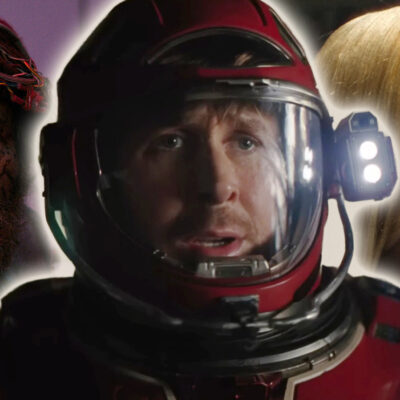
The 2005 adaptation of Doom imagines 2026 as the year humanity makes a groundbreaking discovery on Mars: a portal leading to an ancient alien city. What begins as scientific exploration quickly turns into a descent into chaos.
The real disaster, however, is delayed in the film’s timeline, suggesting that humanity might not immediately face extinction even after stumbling upon something so dangerous. But the premise itself reflects a familiar sci-fi idea: that exploration of space, particularly Mars, is less about discovery and more about inevitable catastrophe.
The film also reflects a broader pattern in pop culture’s treatment of Mars. Whether portrayed as a frontier, a corporate opportunity, or a source of horror, the planet rarely appears as a genuinely hopeful destination. Instead, it becomes a canvas for human ambition mixed with self-destruction.
Marvel’s Fragmented Future
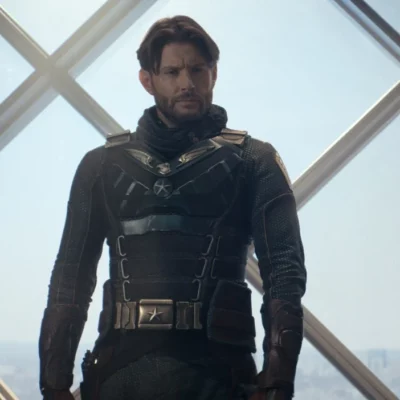
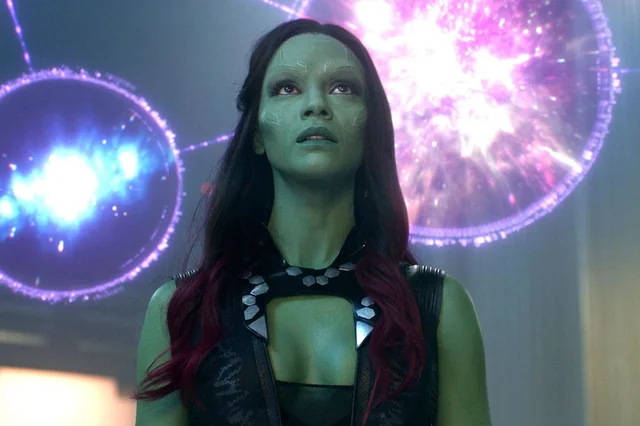
Within the Marvel Cinematic Universe, 2026 exists less as a unified setting and more as a scattered timeline stretched across multiple stories. Some films and series take place far from Earth and feel detached from any specific year, while others are anchored to ongoing continuity that often feels increasingly complex.
This fragmentation creates a strange effect: events that are supposed to feel urgent and interconnected instead come across as disjointed and sometimes repetitive. In several cases, narratives set around this period have been criticized for prioritizing setup over payoff, turning major story developments into transitional material rather than meaningful milestones.
The result is a cinematic future that feels less like progression and more like maintenance—stories that exist primarily to keep other stories going.
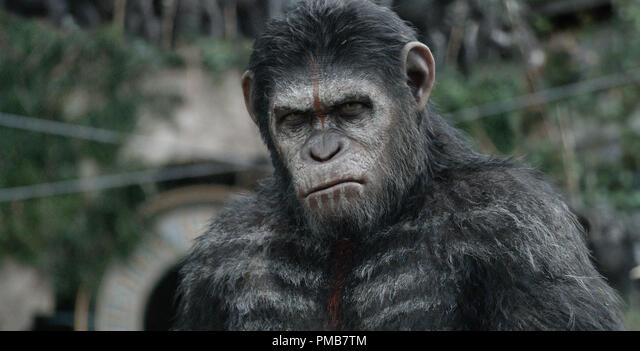
Planet of the Apes: A Slow Collapse Into Conflict
The modern Planet of the Apes films take a more structured approach to their vision of the future. Beginning in a relatively familiar present, the timeline gradually shifts toward a world reshaped by a virus that devastates human populations while increasing the intelligence of apes.
By 2026 in this continuity, the consequences of that transformation are fully in motion. Human society is fractured, survival is uncertain, and the balance of power has fundamentally shifted.
What stands out most is not just the collapse itself, but how familiar the underlying causes feel: mistrust, fear, and cycles of retaliation. The films suggest that even in the face of existential change, conflict remains a constant driven by human—and now ape—nature.

Metropolis: A Century-Old Vision That Still Feels Modern
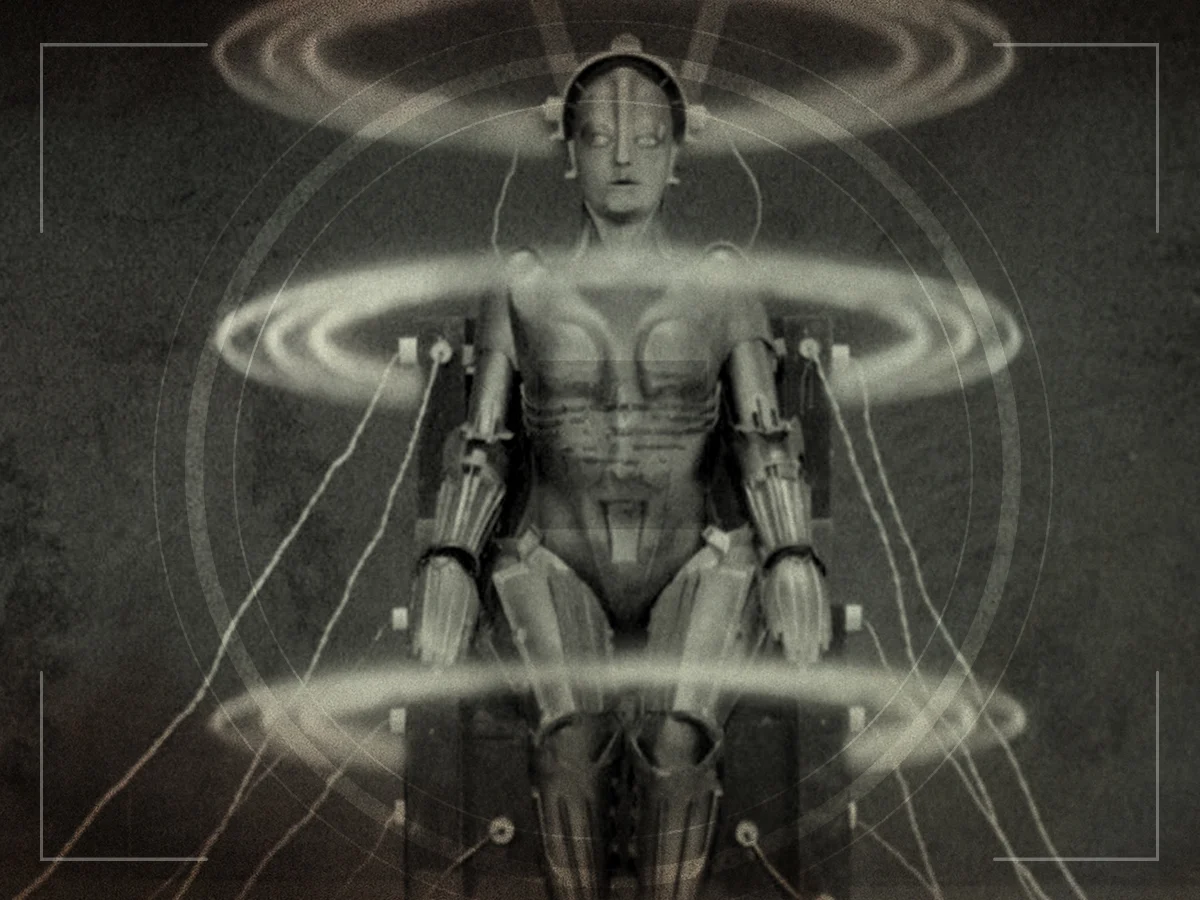
Fritz Lang’s Metropolis, released nearly a hundred years ago, remains one of cinema’s most enduring depictions of a future society shaped by inequality and industrialization. Its imagined world is sharply divided between those who control the system and those who physically sustain it.
Despite its age, the film’s vision of technological dependence and social stratification continues to resonate. Machines dominate the city, while human labor remains essential but hidden beneath the surface.
While some elements now feel stylistically dated, the underlying concerns—economic imbalance, automation, and class division—remain strikingly relevant. The film’s ultimate message, centered on reconciliation between opposing forces, feels more aspirational than practical, but its core tension has not disappeared.
What These Futures Tell Us Now
Taken together, these films reveal less about 2026 itself and more about the periods in which they were created. Each one reflects a different version of anxiety: technological overreach, systemic instability, environmental collapse, or social fragmentation.
Now that 2026 is no longer a distant projection but a lived reality, these fictional versions feel less like predictions and more like mirrors. They don’t describe what will happen, but what we have long feared might.
And perhaps that is their real value—not accuracy, but perspective.