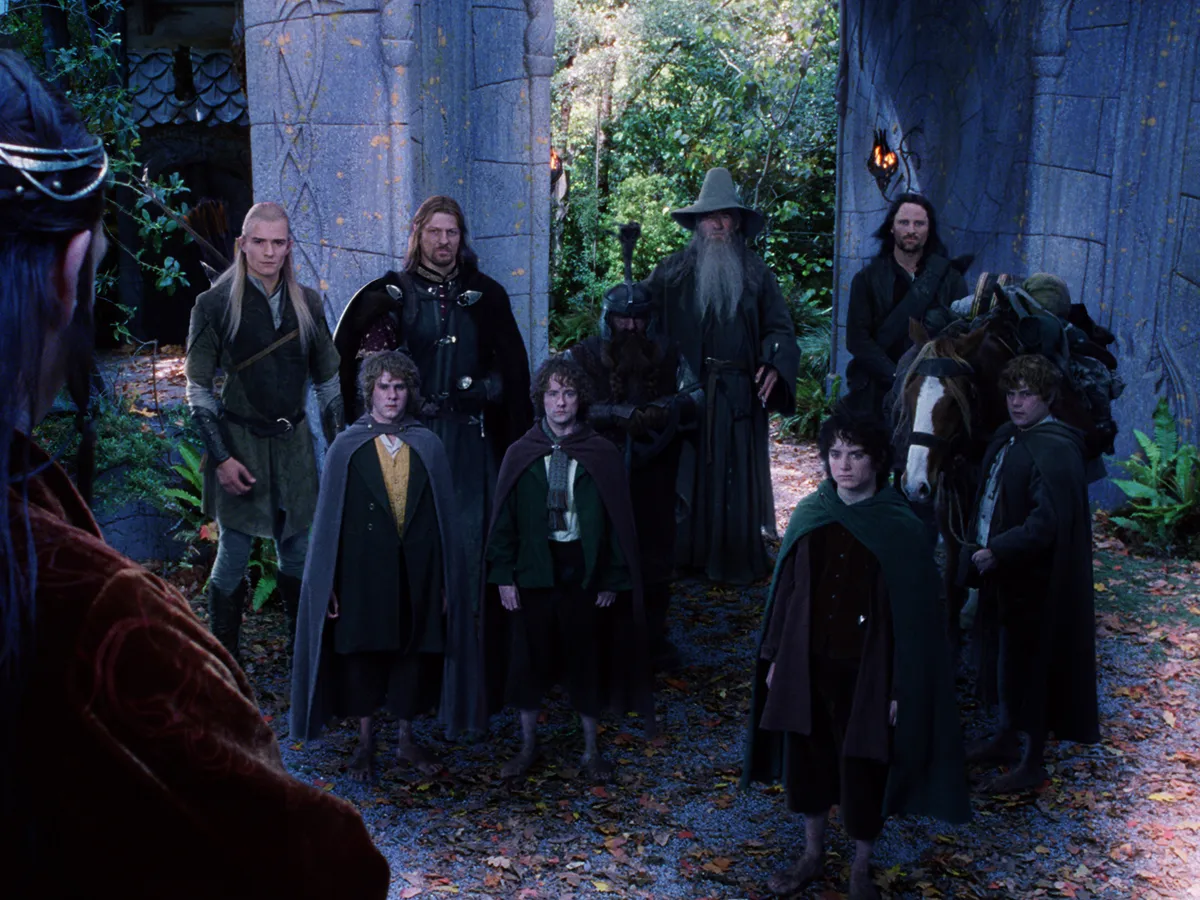
When ranking the greatest fantasy trilogies of all time, The Lord of the Rings—directed by Peter Jackson in the early 2000s—stands uncontested at the top. With its sweeping orchestral score, breathtaking mythical landscapes, and emotionally rich storytelling, the trilogy became a defining achievement in modern cinema. It was both a critical and commercial triumph, dominating awards season with 475 wins from 800 nominations, including 17 Academy Awards out of 30 nominations, cementing its legacy as one of the most decorated film series in history.
Naturally, it was only a matter of time before Jackson returned to Middle-earth. Roughly a decade later, he shifted focus to a new chapter in Tolkien’s world with The Hobbit trilogy. Centered on another member of the Baggins family, Martin Freeman’s Bilbo Baggins leads audiences into a prequel journey beginning with The Hobbit: An Unexpected Journey in 2012.
The film—and the trilogy that followed—offered viewers a deeper look into the origins of characters and relationships introduced in The Lord of the Rings, particularly the early connection between Gandalf and Bilbo. The story follows Bilbo and a company of Dwarves on their quest to reclaim the Lonely Mountain from the dragon Smaug. While many races shaped Middle-earth’s fate, hobbits once again proved central to its history in unexpectedly powerful ways.
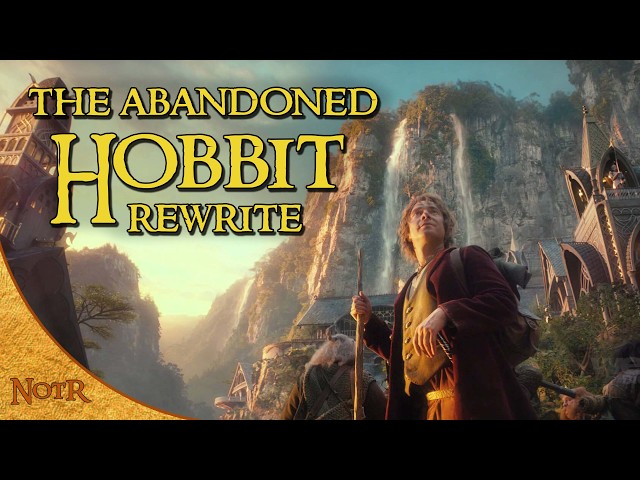
However, despite its ambition and visual spectacle, The Hobbit trilogy struggled to match the cultural impact of its predecessor. Critics and fans alike often felt the story was stretched beyond its natural limits, diluting what might have been a tighter, more focused narrative. Still, redemption has found the first installment in a new form.
According to data from FlixPatrol, The Hobbit: An Unexpected Journey has recently surged on Netflix, becoming a streaming hit across multiple countries in June 2026, including Brazil, Germany, Ireland, and the United Kingdom. With a 64% Rotten Tomatoes score, the film remains a mixed but still engaging experience. Its main criticism has long centered on pacing, with consensus noting that while Peter Jackson’s return to Middle-earth is visually rich and heartfelt, its deliberate rhythm occasionally weakens the story’s momentum.
The Middle-earth legacy continues to expand
Since The Hobbit films concluded, the Lord of the Rings universe has continued to grow across multiple formats. Amazon’s The Rings of Power series has expanded Tolkien’s Second Age, while animated adaptations and spin-off projects continue to explore new corners of the legendarium.
Looking ahead, several major projects are in development. Among them is The Hunt for Gollum, directed by Andy Serkis and currently slated for a December 17, 2027 release. Meanwhile, a separate Lord of the Rings project reportedly being developed with Stephen Colbert involvement—The Shadow of the Past—is also in early development stages, focusing on events set in the Fourth Age and featuring Sam’s daughter, Elanor.
With renewed interest in both The Lord of the Rings and The Hobbit, Middle-earth continues to prove its lasting cultural power—bridging generations of fans through streaming, cinema, and expanding storytelling formats.
The Hobbit: An Unexpected Journey is currently streaming on Netflix.